初恋未满
4.0 |2023年04月24日 |现男友追逐梦的青春
简介:
1997年,高三班花董啾啾(张含韵 饰)外表是懂事乖乖女,内心却叛逆乖张。她的好姐妹韩霞非常喜欢时装设计,平日里心直口快、敢做敢为,却因为魁梧的身材、平凡的外表和爷们儿的性格经常受到周围男生的嘲笑。忧郁校草夏静寒(冉旭 饰)、校霸罗凡(代旭 饰),以及吃货胖子小强(张政 饰)、运动少年大伟(李现 饰)是全校公认的损友拍档。面对即将来临的高考,他们各自憧憬着未来的人生。啾啾的父亲在她十八岁生日那天突然离世,但留给她的生日礼物成了她永久的精神寄托。静寒为人仗义,由于幼年父母离异,他与奶奶相依为命。罗凡是静寒最好的哥们儿,他们互相欣赏对方身上的侠义气质,但靜寒和啾啾的恋爱却造成了兄弟间反目。长相平凡的韩霞一直生活在好姐妹啾啾的阴影中,平时老师和同学对她和啾啾态度的巨大反差,造成了她们友情的巨大危机......
猜你喜欢
换一换
终结死亡
1
2.0
HD中字
终结死亡
2.0
更新时间:2023年04月24日
主演:浅野忠信,永濑正敏,伊势谷友介,市川实日子,国村隼
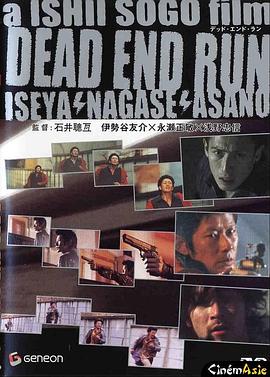
简介:影片简介  导演石井再次将迷离朴素的风格注入他的电影世界。  《终结死亡》:一名男子(伊势谷友介)被人追杀,最后跑进死巷,无路可逃。一个身影向他走近,他一手执起铁棒攻击,岂料击毙了一名素未谋面的女子。正当他以为自己误杀了她之时,她突然站起来,翩然起舞……  《影子》:一名正在逃跑的男子(永瀬正敏)抺着他脸上的鲜血,最后走到死巷。他听见身后的脚步声,转身一看只见一个持枪的人。  《飞翔》:一名男子(浅野忠信)从警方逃跑出来,他跑进了大厦,跑上楼梯,一直冲上顶楼。其时一名女子正在天台晒衣服,他用手枪指向她,把她胁持作人质,可是她却不作一声。其后警方到场,试图说服他,但他甚幺也听不入耳,而那女人质也继续不说一语,他却突然提起手枪,指向自己的太阳穴……  影片评价  关于影片:  这是石井聪互酝酿三年的作品,影片由三个故事组成———“死亡之歌”、“影子”、“飞翔”,分别讲的是三个被追逐的男子的故事:他们三人以“拼命的奔跑”出场,而在跑到没有退路的刹那,却发生了匪夷所思的事。石井聪互野心勃勃,正是想借此影像展示穷途末路的三名男子的境遇。片子虽然不长,但是奔跑的紧迫性使影片极具爆发力。展现在我们面前的,是三具被压抑的躯体的逃亡畅想曲。明天对他们来说已不重要,天堂或者地狱早由不得他们选择,甚至他们都不愿为自己的逃跑找个理由。 导演简介:  日本第一代独立电影导演石井聪互,1980年,用16毫米胶片创作了《再次一炮走红》,后来该片以35毫米胶片电影公演。作为一个没有体验过摄影系统,却能从自编自导电影中成长起来的导演,他给新日本电影界注入了活力。1982年发表了《爆裂都市》(Burst City),1984年的电影《逆喷射家庭》获得了第八届意大利萨卢索电影节最高奖,石井聪互的名字也从此在海外有了很高的评价,甚至高于日本国内对他的评价。1994年凭着《天使之尘》(Angel Dust)夺得伯明翰电影节金奖。之后,又先后于1995年发表了《水中八月》及1997年的《梦之银河》。继2000年《五条灵战记》及2001年《八万伏特霹雳神龙》(Electric Dragon 80000V)后,新作《Dead End Run》再次将迷离扑朔的风格注入他的电影世界。 石井聪互何许人也?  蛰伏三年的石井聪互,在这里用爆炸的影像给我们讲述了三个关于死亡的故事。对了,还有爱情。  日本电影界始终活跃着两位大师级的视觉电影狂人,一位是眆本晋也,另一位就是石井聪互。在他们身上,我们能闻到钢铁的味道。这两位几乎全日本最低产的电影导演,二十多年间来始终保持着开创性的影像激情。而最难能可贵的是,电影在他们眼中毫无商业可言,永远只是尚需改良和完善的实验产品。石井聪互从20岁开始拍电影,掐指算来,47岁的石井聪互已经拍摄了27年的实验电影。  有人说石井聪互的金属风格沿袭了眆本晋也,但这是违背事实的,石井的成名作《爆裂都市》甚至还比眆本的《铁男》早了七年。其实二人各有千秋,虽然形式主题常常不谋而合,但石井要倾向视觉效果多一些,而眆本更钟情于对窒息压抑的铺陈。无独有偶,在眆本推出黑白实验片《六月之蛇》后,石井也如同约定般地拿来了这部加过N个滤镜的《终结死亡》与之示意。  在这三个关于生命的故事中,奔跑作为死亡的前奏,再次成为了石井聪互操练的形式元素。
942
2003
终结死亡
主演:浅野忠信,永濑正敏,伊势谷友介,市川实日子,国村隼
丹麦小村教堂
8
8.0
已完结
丹麦小村教堂
8.0
更新时间:2023年04月24日
主演:Ib Koch-Olsen
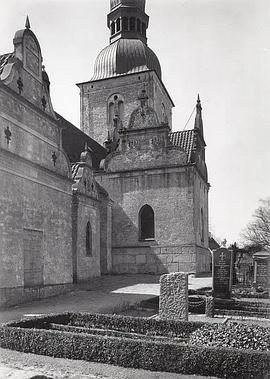
简介:The history of Danish country church architecture is told by showing scenes of how the church was used by the congregation, beginning with the celebration of mass in a small and simple wooden church 800 years ago, and ending with the congregation singing in a village church of to-day. The development and the growth of the pattern of church architecture is shown.  Dreyer in this film shows a series of churches from different periods with churchgoers in period clothing. Each period is separated by a shot of a church bell double-exposed on the sky. Although the film has a vibrant and instructive way of communicating the different epochs and styles to students, it does not exhibit the artistic quality that usually distinguishes a Dreyer film, except perhaps in some of the costumes, which were originally made for Day of Wrath.  The board of Dansk Kulturfilm in autumn 1945 decided that their planned church film would exclusively be about village churches. Dreyer would rework the script that was written by editor and folk high-school principal Bernhard Jensen, aided by a committee of experts consisting of architect H. Lønborg-Jensen and Victor Hermansen, curator at the National Museum of Denmark. Dreyer had a first draft ready in mid-March, entitled Kirken er et gammelt Hus (The Church Is an Old House), which was distributed to the members of the committee for their comments.  In the last half of July, Dreyer and Victor Hermansen travelled the country to look at suitable churches. They researched the details and at Dreyer’s request a number of technical changes were made to the churches, including the removal of porcelain holders for electrical wiring in Tveje Merløse Church.  On 4 July, Dreyer went in advance to Ringkøbing. Shooting was set to start a few days later with the arrival of the director of photography, Preben Frank, who had fallen off a ladder and broken his leg, Fortunately, he was ready to cautiously start working again within a few days, with his leg in a cast.  Otherwise, the production went without a glitch. Everywhere, Dreyer said, they were well received at the vicarages and they had no problem getting enough extras. On 1 august, they returned to Copenhagen with almost all their footage in the can. They only needed to film the church in Skelby, where the weather had been against them, plus a Swedish wooden church in Hedared. The economy was distressed so soon after the war, especially when it came to foreign currency, but there were no real wooden churches left in Denmark and building an interior set in the studio would be too expensive.  The finished film was shown for the first time on 24 September 1947 to a small, closed circle, which included the Minister for Ecclesiastical Affairs. In December 1947, as was Dansk Kulturfilm’s standard practice, the film was presented to the press, politicians and others on a programme with four other short films.
5344
1947
丹麦小村教堂
主演:Ib Koch-Olsen
评论区